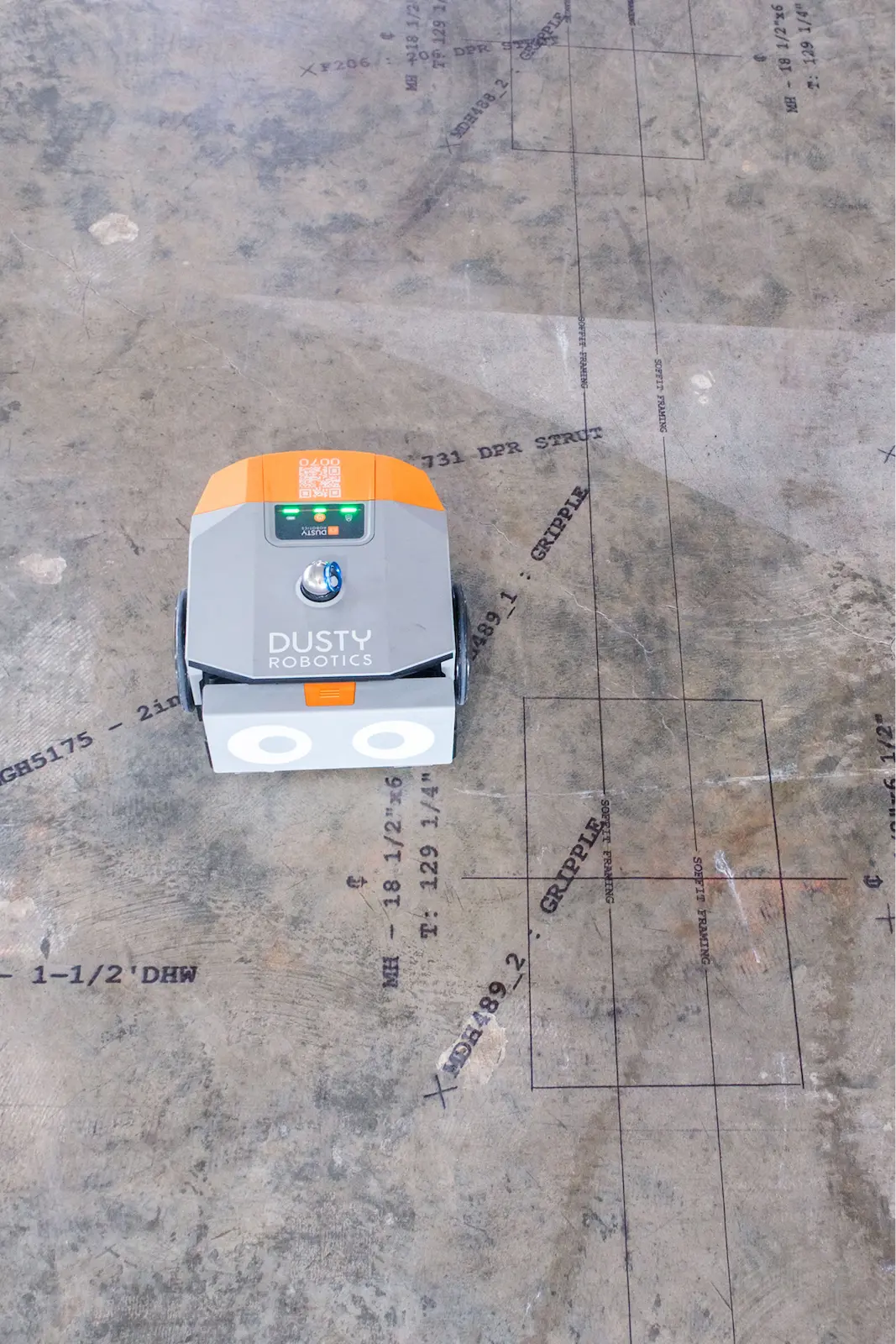
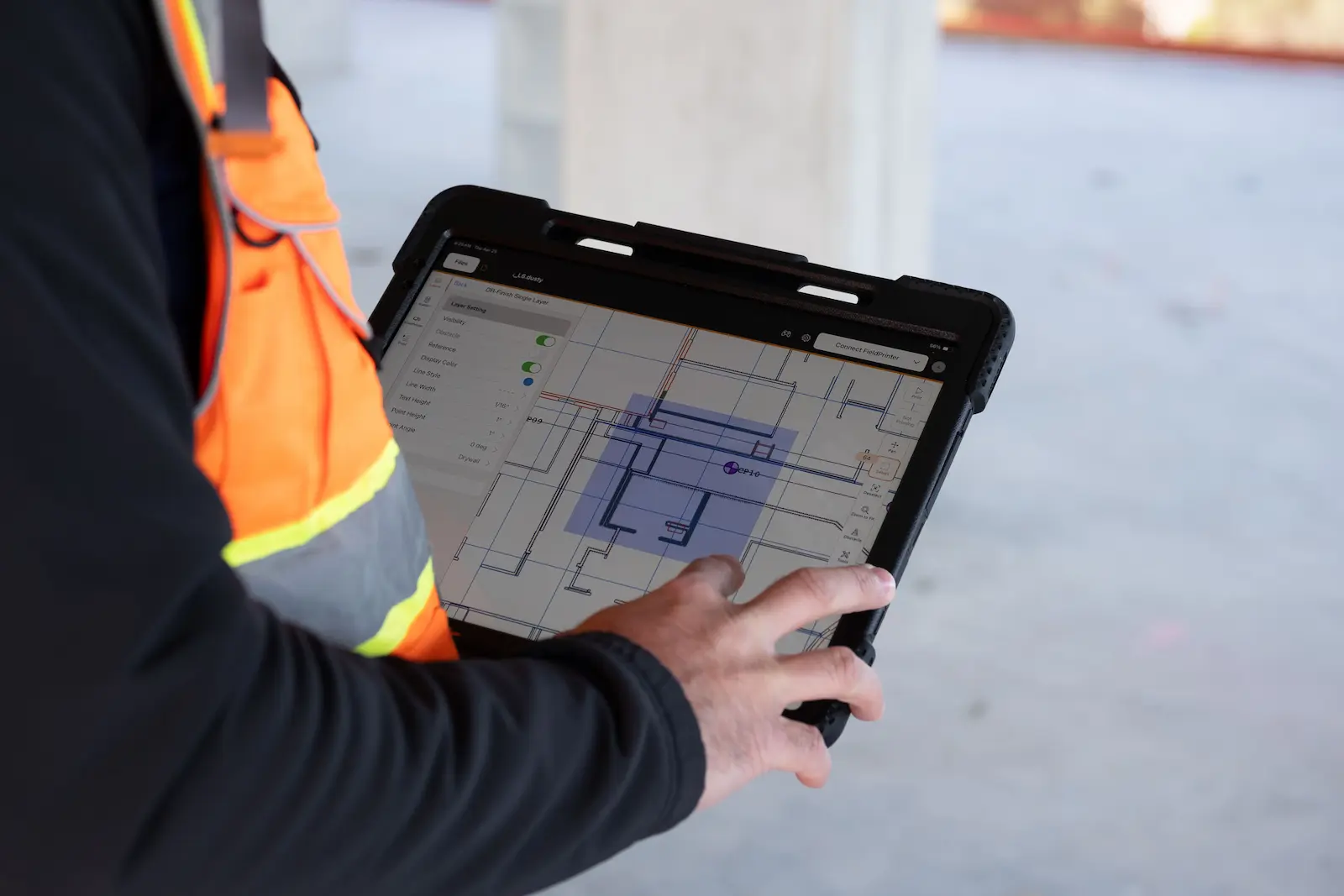
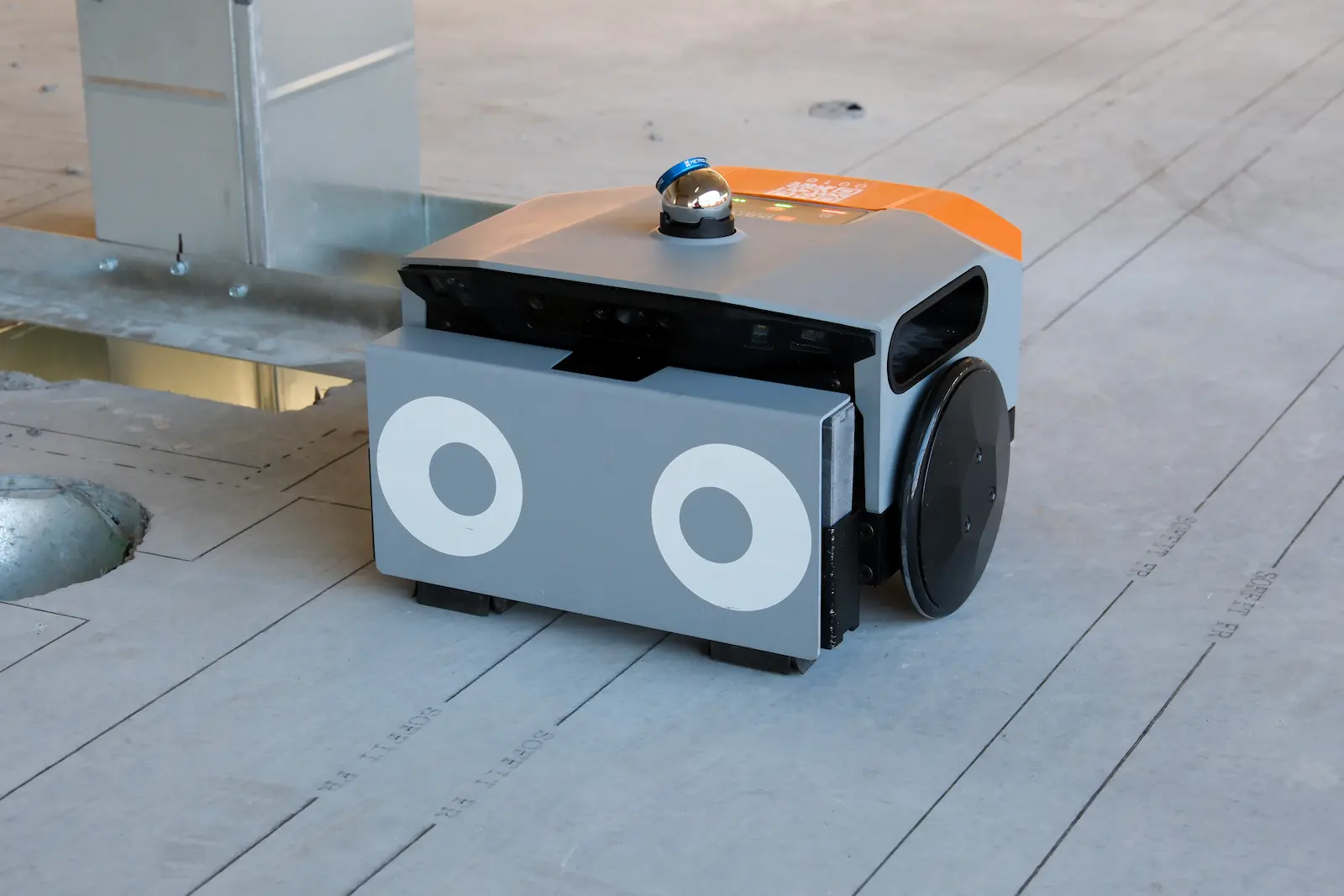
Install faster. Miss less. Rework less.
Manual Mechanical layout is a risky bottleneck
- Crews waiting on layout before they can rough‑in
- Missed sleeves, penetrations, and embeds that turn into core drills and patchwork
- Hanger and support points that drift—until nothing fits
- Field questions and clashes discovered after material is already staged
See how MEP Contractors use Automated Layout
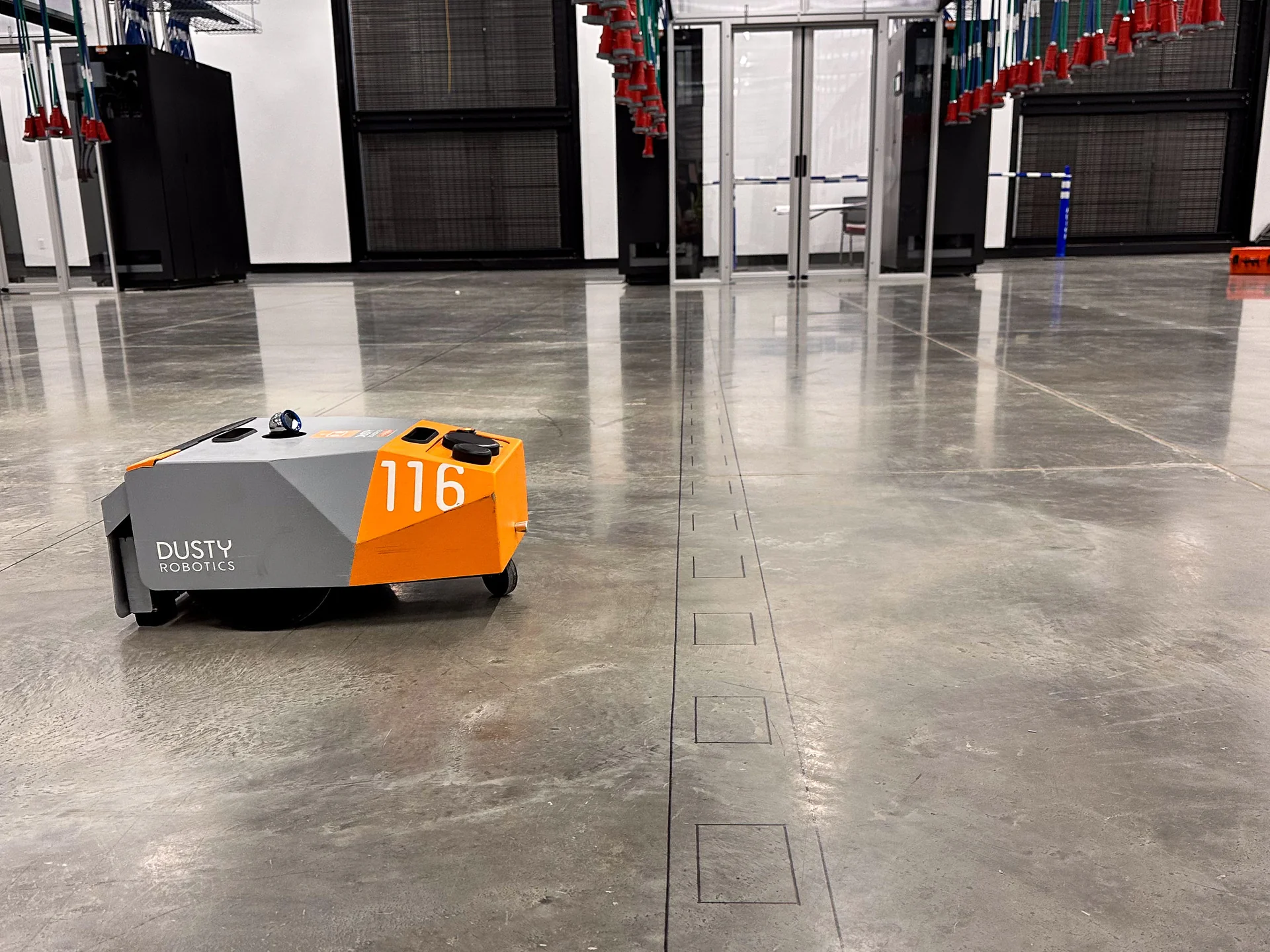
Align Saves 784 Hours on Data Center Mechanical Layout
"At Align, we’ve seen remarkable results with Dusty Robotics. The faster layout process, higher accuracy, reduced labor, and safer working conditions for our employees have been game-changers." Simon Eventov, Managing Director of Data Center Design & Build, Align

Truebeck Lays out 90k sq ft in Under 10 days
90,000 square feet laid out in under 10 days with 100% accuracy by one person, catching a dozen model errors in the process. "With Dusty we're able to have everybody work together and we can see if there are issues with layout points from their CAD before we lay them out in the field." Dave Bogan, Superintendent, Truebeck
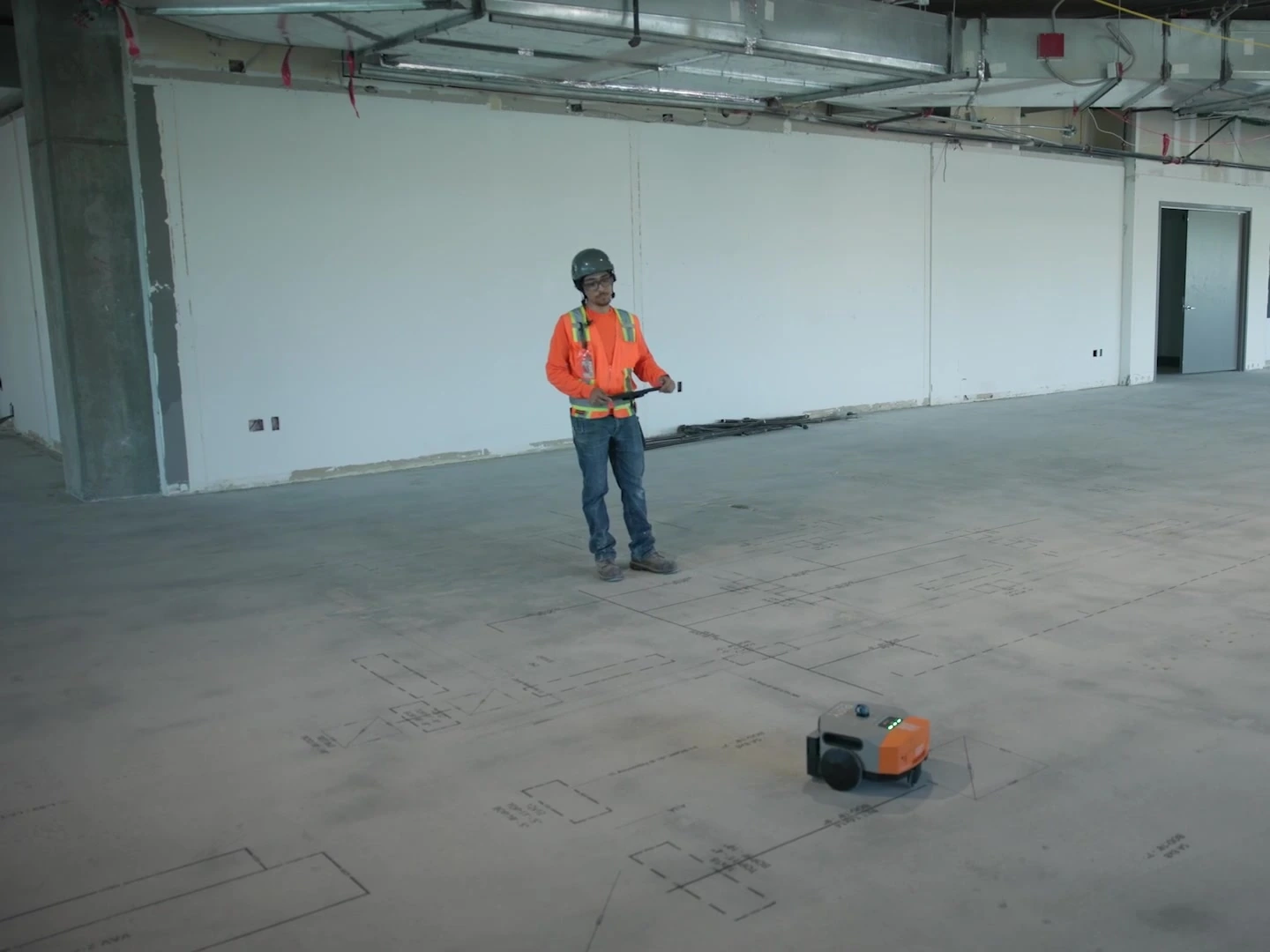
Jenco Reduces Rework with Dusty Across All Their Projects
"When our guys show up, they know exactly where everything goes, without ever having to even carry a set of equipment to that project." Kris Geltch, VP and Division Manager, Jenco
Move install forward without waiting on walls
- Start rough-in earlier: Print points and references as soon as the slab is ready.
- Parallel work: Hang overhead while framing is still ramping—less trade stacking.
- Fewer hold-ups: Fewer “we’re waiting on layout / walls / conflicts” slowdowns.
“[With Dusty], we laid out precise upper attachment layouts onsite, employing a color-coded system to facilitate easy coordination with multiple trade partners. This streamlined approach boosted efficiency, with both machines laying out an average of over 1,500 points daily.”

Put the model where the work happens
- Clearer installs: Print labels, tags, and references right where crews need them.
- Fewer conflicts: Issues show up before hangers and pipes are in place.
- Better coordination: Everyone builds from the same coordinated source.
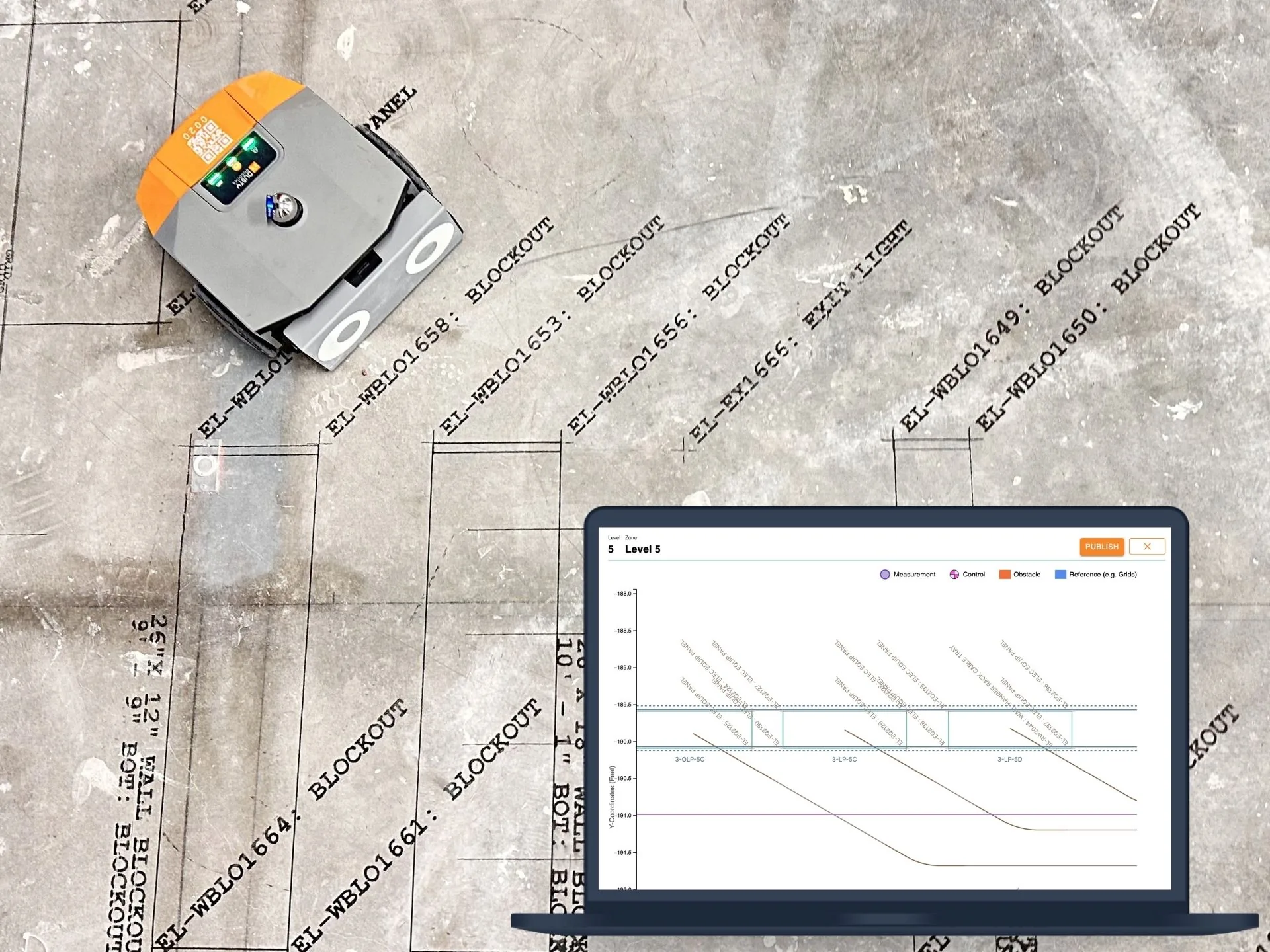
“Dusty saved us two weeks on a five-month layout schedule, while using only a four-person crew to lay out much more information than before. Previously each trade would have two separate four-person crews. Dusty let us be much more lean, accurate, and detailed, all at the same time."
McCarthy Building Group Healthcare
What mechanical contractors print with Dusty
- Sleeves & penetrations: Print centers and offsets before the pour.
- Hangers & supports: Print point layouts for rods, inserts, trapeze supports.
- Equipment & housekeeping pads: Print outlines, clearances, and reference marks.
- Duct & pipe pathways: Print centerlines, key turns, and critical offsets.
- Plumbing rough‑in: Stub‑ups, floor drains, cleanouts, and restroom groups.
Get layout under control on your next job
“We have a series of racks that carry a lot of the mechanical piping and some of the other utilities that were all built off site and modeled. Previously, we would build a piece in place, or we would bring it in, align it to mark the floor and then move it back out, drill the anchors and then reset it. Dusty eliminated several steps in the process to get the racks installed.”
Mortenson

Frequently asked questions
A mechanical layout robot is a construction layout robot (such as Dusty Robotics) that prints points, lines, and labels from coordinated CAD/BIM files directly onto the slab or deck. For mechanical contractors, it’s used for hangers, sleeves, penetrations, equipment footprints, and rough‑in references—so crews can install faster with fewer mistakes.
Yes. Mechanical teams use Dusty to lay out HVAC scope like duct centerlines and key offsets, hanger and support points, equipment and curb outlines, and mechanical room references. Printing the scope at full scale reduces missed points and improves coordination in congested ceilings.
Yes. Plumbing teams use Dusty to lay out stub‑ups, floor drains, cleanouts, restroom groups, sleeves, and penetrations. Accurate printed references help prevent core drilling, patching, and rework—especially on healthcare and multi‑story projects.
Most teams start with the work that drives schedule and rework risk:
Sleeves & penetrations (before concrete)
Hangers & inserts (before overhead rough‑in)
Equipment pads & clearances (before setting)
From there, expand to centerlines and references where congestion is highest.
Accuracy matters most for hangers, inserts, and coordinated supports because small drift compounds across long runs. Dusty prints directly from the coordinated model at with 1/16” accuracy so supports land where the install expects them.
Dusty is designed to automate the high‑volume “measure‑and‑mark” work—especially dense point layouts and multi‑trade scopes—so crews spend more time installing and less time laying out.
Prefab wins when field layout matches the model. Accurate printed references for sleeves, hangers, and equipment pads reduce field modifications, keep spools and skids on‑spec, and protect install productivity.
Automated layout can replace large portions of traditional “measure‑and‑mark” layout, especially when you want to lay out many scopes at once and keep everyone aligned to the coordinated model. Many teams still use robotic total stations (RTS) for certain tasks but Dusty is designed to make layout a repeatable, model‑driven workflow instead of a craft activity that varies by crew.
Earlier than most teams do (during precon and early coordination) because multi‑trade layout changes downstream scheduling (who participates, what gets printed, and when the floor gets released). Treat the actual layout like a milestone, not a last‑minute field activity.
By putting coordinated design information on the slab at full scale, construction issues get spotted earlier (with foremen walking the deck together) instead of being discovered after install. That early visibility prevents “quiet” coordination problems, reducing last-minute RFIs that turn into expensive rework.
Any project where coordination is tight and schedule pressure is high — especially mission critical/data centers, healthcare, industrial/manufacturing, and other complex builds where trade density and tolerances make manual layout a recurring risk.
Want to learn more?