
The Biggest Leap in Construction Labor Productivity Since the Pneumatic Nail Gun
Josh Lewis is the COO of FrameTec, an Arizona company that manufactures prefabricated wall panels and trusses and installs them on site. FrameTec is also a Dusty Robotics Layout Services Partner.
We've revolutionized the way we design buildings. But when it comes time to actually build them, we're still operating much the same way we did 150 years ago.
Think about that for a minute.
Architects and engineers now have incredibly sophisticated three-dimensional modeling tools capable of producing increasingly detailed plans and specifications. In the digital environment, we can coordinate entire buildings, identify conflicts between structural elements and mechanical systems, and resolve potential construction issues long before anybody breaks ground.
The level of information and intelligence available to us before construction begins is extraordinary.
But here's where it all falls apart.
We take that incredibly sophisticated digital information, print it on a set of 24-by-36 paper plans, hand it to somebody on a jobsite, and expect them to figure out how to turn it into a building.
We spend enormous amounts of time and money developing that intelligence, only to lose much of its value at the exact moment it matters most: when someone has to execute the work.
"We spend enormous amounts of time and money developing that intelligence, only to lose much of its value at the exact moment it matters most: when someone has to execute the work."


We've industrialized the design process. Now it's time to industrialize the jobsite.
Here's how it works on too many jobs today.
You can spend $100,000 developing and coordinating a BIM model. Then you hand somebody on the jobsite a set of paper plans and essentially tell them, "Okay, now interpret all of this using your experience, your tribal knowledge, and whatever methods you've developed over the years."
And then we wonder why there's no coordination.
We're generating more information than ever before, but we're still not consistently getting the right information to the right person, at the right time, in the right format.
And the consequences extend far beyond framing.
At FrameTec, we've demonstrated that we can reduce framing cycle times by as much as 75 percent. That's a tremendous improvement, but framing faster was never the ultimate objective.
If we cut three weeks out of the framing schedule but those savings disappear because the electricians, plumbers, HVAC contractors, or finish trades are still fighting the same coordination problems, what have we actually accomplished?
We haven't delivered the house to the market any faster. We haven't increased housing supply. And we certainly haven't done anything meaningful to improve affordability.
That's the problem we're trying to solve.
Our objective isn't simply to make framing more efficient. It's to become a force multiplier for every trade that follows us.
How do we make their work easier? How do we eliminate unnecessary steps, prevent rework, and give them the information they need before they need it?
I'm a second-generation framer. I've spent more than 25 years working across the construction value chain, from manufacturing and distribution to installation. I've watched our tools, equipment, and design technology evolve dramatically, while the way we communicate instructions to the people doing the work has remained fundamentally unchanged.
That is the next frontier in construction productivity.
Offsite prefab is not delivering for the housing sector
This is where I think much of the offsite construction movement has gotten it wrong.
For years, we've watched companies pour enormous amounts of money into factories, automation, and new manufacturing methods, all promising to revolutionize housing. And yet, despite that investment, we haven't fundamentally changed how houses are built or made a meaningful dent in the housing shortage.
Why?
Because we've been trying to solve a jobsite problem in a factory.
Don't misunderstand me. I'm a huge believer in prefabrication and advanced manufacturing. We've invested heavily in both at FrameTec. But manufacturing a component faster, more accurately, or with fewer people doesn't accomplish much if the efficiencies disappear the moment that component arrives on the jobsite.
The industry has been focused on individual pieces of the puzzle instead of the entire process.
Coordination, prefabrication, and layout are three critical pieces, but they have to work together within a complete construction system. That means coordinating the design, embedding actionable information, manufacturing the components, managing the logistics, and executing the installation in a way that sets up every trade that follows for success.
That's the thinking behind The FrameTec Formula®.
We're not trying to reinvent the house or displace the people who build it. We're trying to industrialize the way the work gets done.
And that starts with recognizing something the industry has largely overlooked: coordination doesn't end when the drawings are finished.
Coordination on the jobsite is every bit as important as coordination during design.
It's remarkable to me that our plan sets keep getting bigger, our models keep getting more sophisticated, and the amount of information we're generating continues to grow, yet the coordination between the people actually performing the work seems to be moving in the opposite direction.
We've gotten really good at producing information.
We haven't gotten nearly as good at delivering it to the people who need it.
Embedding intelligence at the point of work
So how do we close that gap?
We take the intelligence that already exists in the design and put it directly into the hands of the people doing the work.
At FrameTec, we call that embedding intelligence at the point of work.
Once the design has been coordinated, conflicts have been resolved, and the components are ready for manufacturing, we start converting the information buried in those drawings into actionable instructions that travel with the work itself.
Sometimes that's as simple as printing a hardware callout, a dimension, or an installation instruction directly onto a piece of lumber or a concrete slab.
Other times it's a QR code that gives the installer immediate access to a detailed connection drawing, or an RFID tag that connects a physical building component to its digital records.
The technology isn't the point. The information is.
We're eliminating the disconnect between what was designed and what actually gets built by making the instructions available exactly where the work happens.
"The technology isn't the point. The information is. We're eliminating the disconnect between what was designed and what actually gets built by making the instructions available exactly where the work happens."
Let me give you an example.
Say you're a framer installing a post-and-beam connection.
Traditionally, you go to the plan set, find the architectural drawing, locate the section cut, follow that reference to the structural drawings, find the corresponding detail, and figure out exactly what the engineer has specified for that connection.
Maybe it's a Simpson CCQ66. Maybe it's a bolted connection. Maybe there are specific fasteners, installation requirements, or additional hardware called out in the detail.
Whatever it is, you've got to find it, interpret it, and make sure you're installing it correctly.
You might have just spent 15 or 20 minutes tracking down the information you need.
For one connection.
Now imagine that same post arrives on the jobsite with a QR code printed directly on it.
The installer walks up, scans the code with his phone, and the approved connection detail comes up. The hardware requirements, fastener specifications, installation instructions, and structural references are right there.
No digging through a stack of plans. No jumping between sheets. No relying on somebody remembering how that connection was supposed to go together.
The information is exactly where it needs to be.
And here's the important distinction: we're not changing the engineer's design or asking a computer to make decisions that belong to a qualified professional.
We're taking the approved design information and delivering it to the person responsible for executing it, in a format they can actually use.
That's embedded intelligence.
Think about what that means across an entire building. Hundreds of connections, thousands of components, and countless decisions that traditionally require someone to stop working, find the right drawing, interpret the information, and get back to what they were doing.
What happens when we start eliminating that wasted time?
What happens when the person doing the work doesn't have to go looking for the instructions because the instructions are already there?
We're not replacing skilled labor. We're removing the inefficiencies that keep skilled labor from being productive.
Mark my words: putting actionable instructions directly at the point of work has the potential to be the single biggest improvement in construction labor productivity since the pneumatic nail gun.
"Putting actionable instructions directly at the point of work has the potential to be the single biggest improvement in construction labor productivity since the pneumatic nail gun."
Getting information without putting the tools down
Think about how much information the average tradesperson needs to do their job correctly.
Dimensions, elevations, connection details, hardware requirements, installation instructions, material specifications, and coordination with the trades working ahead of them and behind them.
All of that information exists somewhere. The problem is getting it to the person who needs it without making them stop what they're doing to find it.
That's what we're changing.
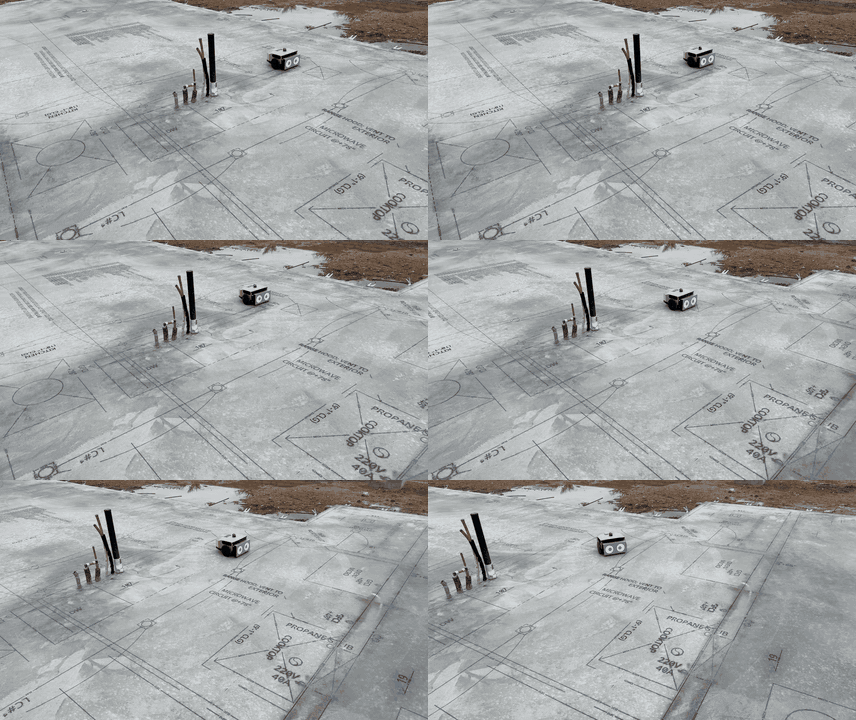
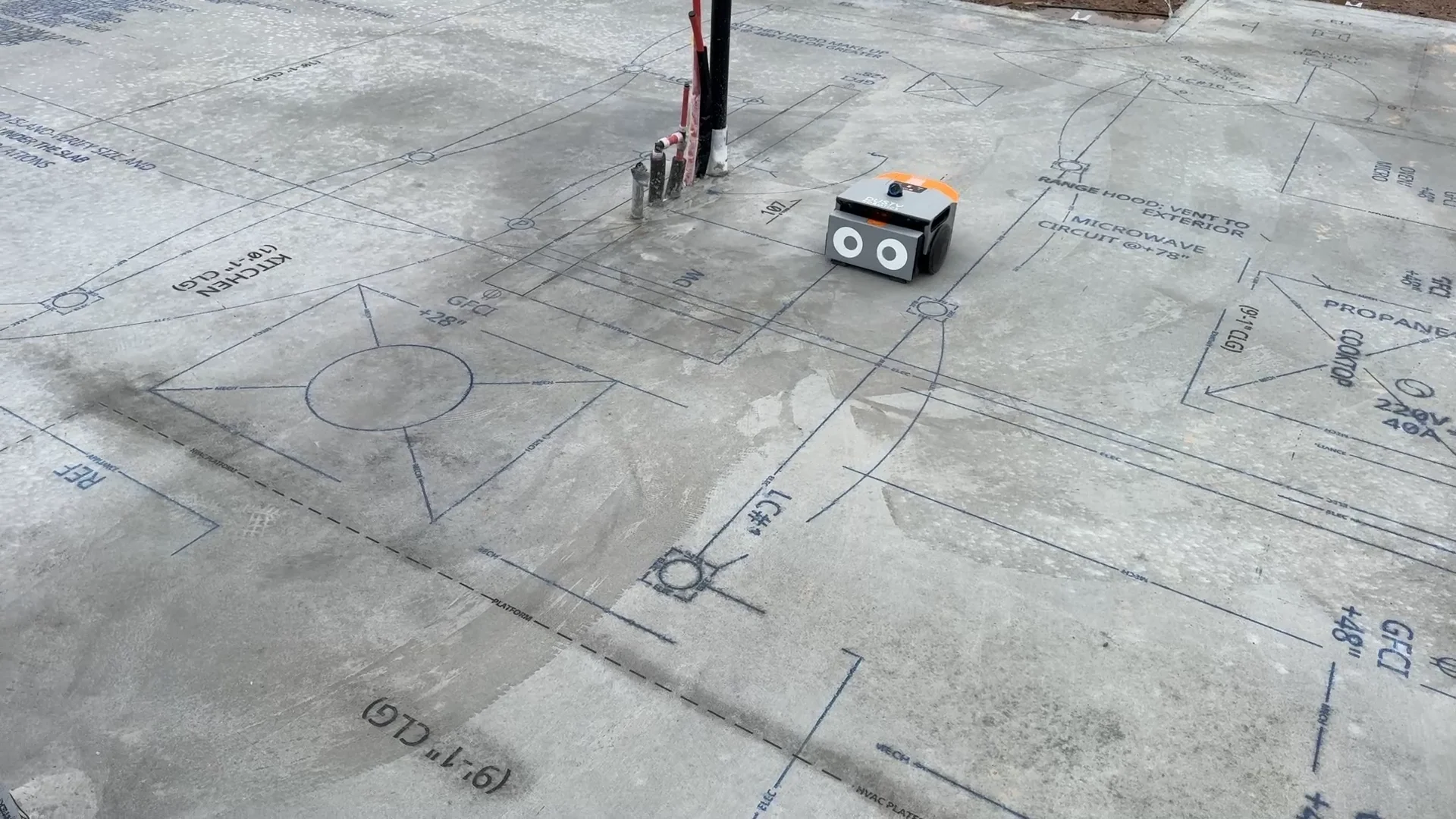
One of the most important technology partnerships we've developed at FrameTec is with Dusty Robotics. They've built an extraordinary piece of technology that allows us to take coordinated digital information and put it directly onto the jobsite floor, exactly where the work is going to happen.
"Dusty Robotics allows us to take coordinated digital information and put it directly onto the jobsite floor, exactly where the work is going to happen."
Dusty Robotics has been a phenomenal partner. What makes the relationship so valuable is that we're both pushing the boundaries of what the technology can do. Dusty brings the technology, and we bring decades of field experience and a real-world sandbox to prove out how it can be practically applied on the jobsite. By combining Dusty's technology with our understanding of what the trades actually need, we're finding new ways to make the jobsite more productive every day.
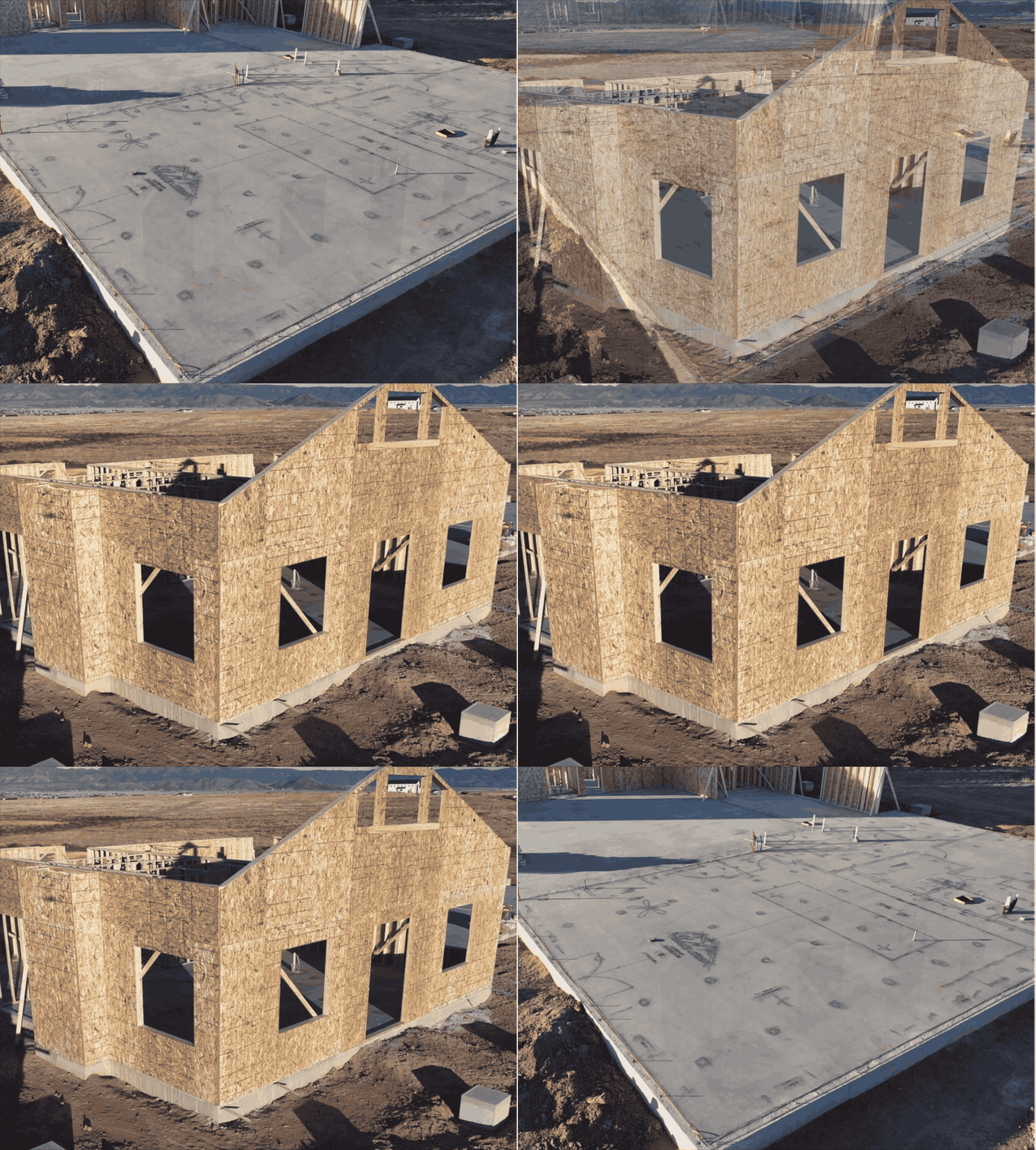
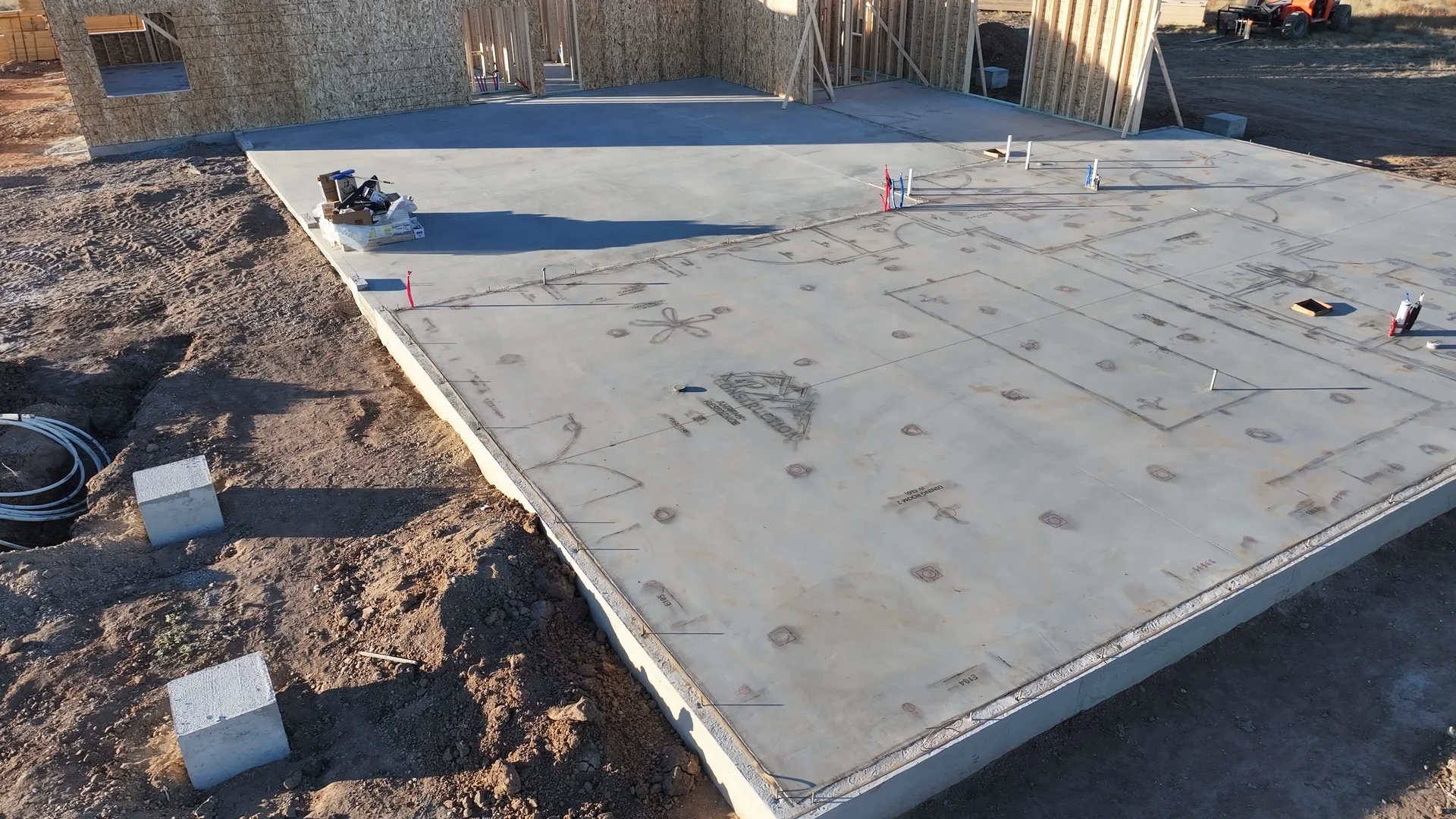
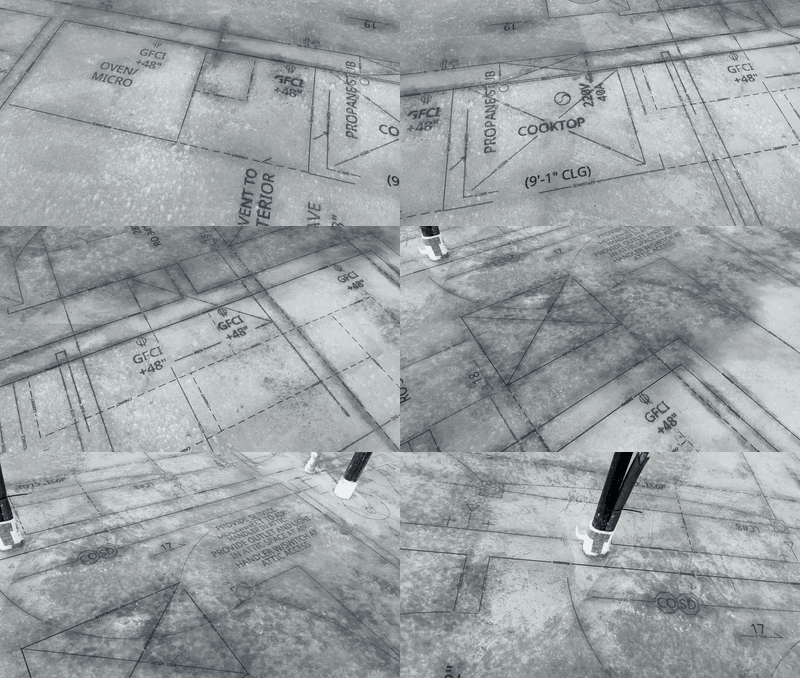
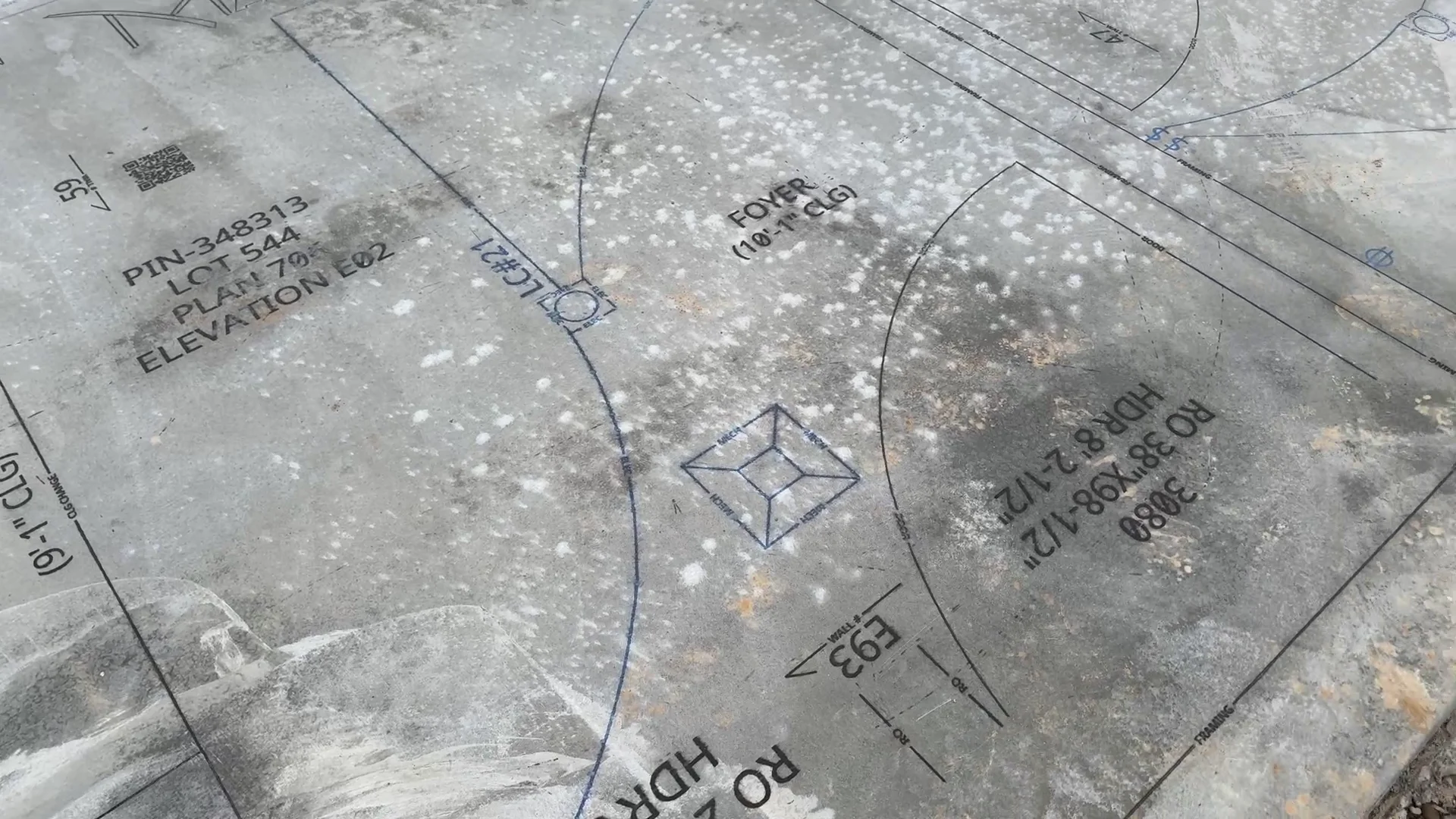
We're using Dusty Robotics to print our framing layout, wall panel numbers, wall directional arrows, hardware locations, and installation requirements directly onto the concrete slab before the framing crew arrives.
If a wall requires a Simpson RSP4 at a specific location, a particular hold-down, or a designated nailing pattern on a shear wall, we can put that information directly on the slab, along with the corresponding detail and plan reference.
The framer doesn't have to go looking for it. It's already there.
"We're using Dusty Robotics to print our framing layout, wall panel numbers, wall directional arrows, hardware locations, and installation requirements directly onto the concrete slab before the framing crew arrives."
But here's where it gets really interesting.
We're not limiting this to framing.
FrameTec has expanded how automated layout can support electricians, plumbers, HVAC contractors, and other trades that follow us.
We've been working with electrical suppliers who provide detailed layouts, unique part numbers, and bills of material. By incorporating that information into our coordinated models and using Dusty Robotics to deliver it to the slab, we can give electricians a much clearer picture of what goes where before they ever start their work.
Imagine walking into a house and finding the current plan set, the coordinated 3D model, and the construction schedule accessible through QR codes at the entry.
Now take that one step further.
Think about a kitchen range.
The manufacturer has already told us exactly where the gas and electrical connections need to be. That information is sitting in a cut sheet somewhere, but how often does the person doing the rough-in actually have it in front of them?
What if we used Dusty's technology to print a QR code at that location that took the electrician or plumber directly to the appliance installation instructions?
Now they know which side the gas goes on, where the receptacle belongs, what electrical circuit is required, and what clearances are needed before the wall is ever closed up.
We've all seen what happens when that coordination doesn't take place.
The house is practically finished. You're two days away from delivering it, and the appliances are being pushed into place when somebody discovers the electrical outlet or gas connection is on the wrong side of the opening, or the range requires a 240-volt circuit and someone only provided 120.
Now you're pulling appliances back out, cutting open finished drywall, moving utilities, patching, painting, and potentially delaying delivery.
All because information that was available months earlier never made it to the person doing the work.
That's a whole lot of wasted labor, time, and money to solve a problem we could have prevented before the first wall went up.
And here's what I find so exciting about all of this.
We're not waiting for someone to invent an entirely new construction method. We're taking information that already exists, coordinating it, and working with technology partners like Dusty Robotics to put it directly into the hands of the people building the project.
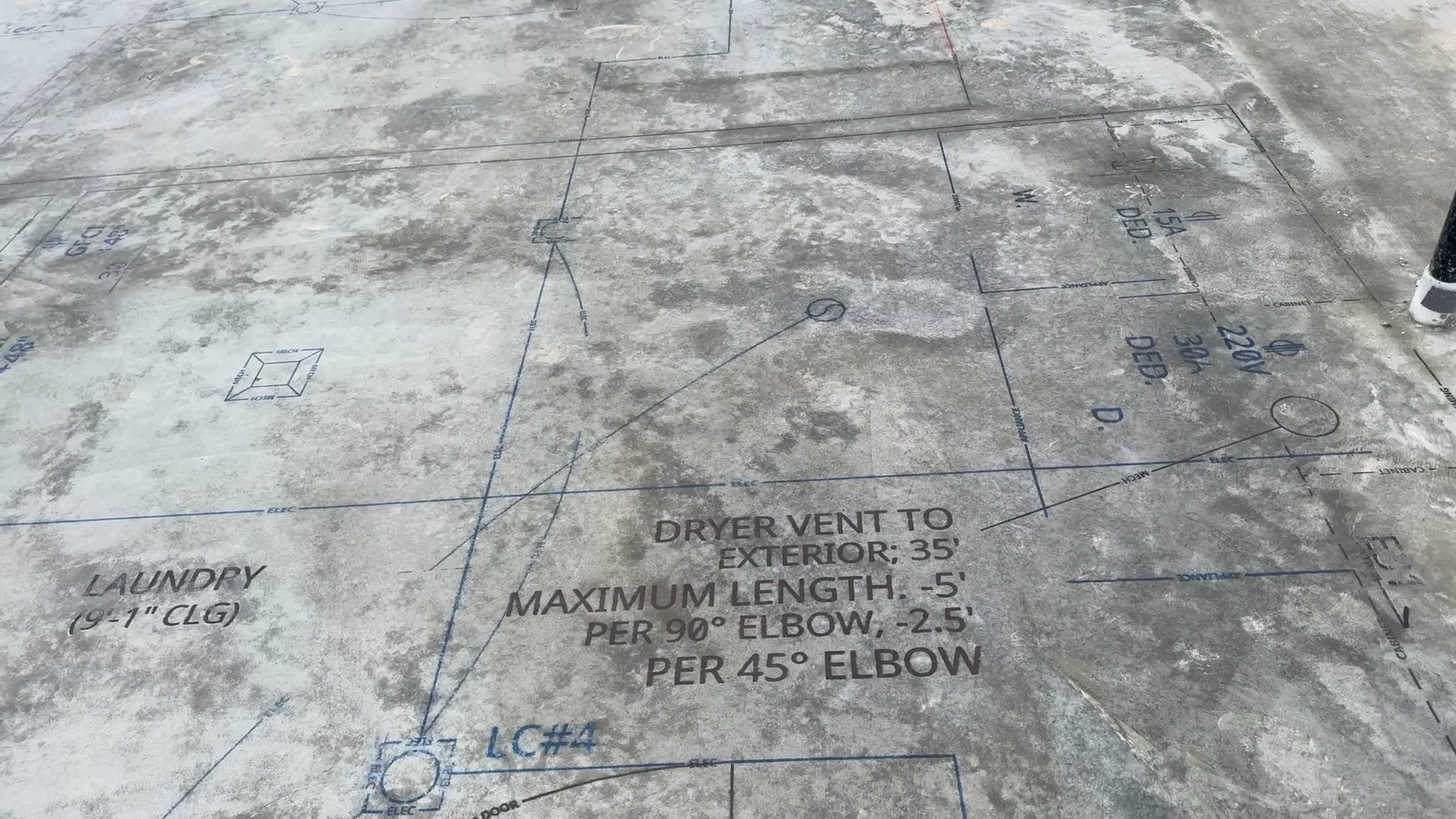
Sometimes that intelligence is printed directly onto the slab by Dusty's robot. Sometimes it's written or laser-etched onto lumber during manufacturing. And sometimes it's accessed through QR codes or embedded RFID tags.
The delivery method may change, but the objective never does.
Get the right information to the right person, in the right format, at the point of work.
We're also developing ways for that information to remain connected to the building long after construction is complete.
Imagine a future where a contractor working on a finished home can identify a component behind the wall and access its specifications, installation details, or original documentation without having to hunt down a set of drawings from years earlier.
The physical building and its associated information remain connected.
That's the larger vision: making the jobsite a living, breathing source of actionable intelligence.
And I want to be clear about something.
This isn't about replacing the knowledge or judgment of skilled tradespeople. It's about making better use of it.
A journeyman electrician shouldn't have to spend 20 minutes hunting through drawings to find information that could have been provided before he ever picked up his tools.
A framing crew shouldn't have to stop production to figure out which hardware goes on a connection that's been engineered and documented for months.
And a plumber shouldn't have to discover a conflict after the wall is closed when we had the information necessary to prevent it before construction started.
We have to stop asking skilled tradespeople to solve the same problems over and over again.
Their experience should be going into building the project, not searching for the information required to build it.
More labor is not the solution to the labor shortage
People say we have a skilled labor shortage.
I don't disagree with that.
But I believe our bigger problem is labor efficiency. We have an execution problem, and a tremendous amount of it comes down to coordination.
Think about how much time the average tradesperson spends doing things that have absolutely nothing to do with their trade.
Searching through drawings, looking for materials, waiting for answers, resolving conflicts, moving things that are in the way, or tearing out work that was already completed because somebody didn't have the right information when they needed it.
Those hours add up. And none of them are productive.
It's not like we're going to go out and hire a million new journeymen. That workforce doesn't exist, and we're not going to solve the housing crisis by waiting for it to materialize.
We have to figure out how to make the people we have today dramatically more productive.
That's what we're focused on at FrameTec.
Through The FrameTec Formula®, we're working to eliminate as much of that wasted effort as possible. We coordinate the design, resolve conflicts before they reach the field, manufacture components with installation in mind, control the logistics, and deliver actionable information directly to the people doing the work.
And we're doing it with technology partners like Dusty Robotics, whose automated layout technology allows us to communicate that information directly on the jobsite.
"Through The FrameTec Formula®, we're working to eliminate as much of that wasted effort as possible. We coordinate the design, resolve conflicts before they reach the field, manufacture components with installation in mind, control the logistics, and deliver actionable information directly to the people doing the work. And we're doing it with technology partners like Dusty Robotics, whose automated layout technology allows us to communicate that information directly on the jobsite."
But the technology alone isn't the solution.
It's how we apply it.
We don't need to automate the trades out of existence. We need to give them the tools, information, materials, and working conditions that allow them to accomplish more with the skills they already have.
A highly skilled electrician shouldn't spend half his day doing things that don't require an electrician. A framer shouldn't be waiting for someone to answer a question that could have been resolved before the lumber ever arrived. And a plumber shouldn't have to tear apart somebody else's finished work to correct a conflict that existed in the drawings from day one.
That's not a skilled labor shortage.
That's wasted capacity.
And when you start looking at the problem that way, the opportunity is enormous.
We don't necessarily need more people to build more houses. We need to make the people we already have substantially more effective.
The solution to the housing crisis isn't a new kind of house. It's a better way to build them.
Someone has to take the first step
None of this works if one company is doing it in isolation.
We have to rebuild the culture of collaboration in our industry.
Everybody in my world talks about 2008. They'll tell you the recession came, all the good talent left, and we lost a generation of skilled workers.
I look at it a little differently.
I think 2008 did something even more damaging.
It killed the culture.
We used to have trade-to-trade cohesion. I knew the expectations of the cabinet guy. I knew where his moulding was dying into my wall, so I made sure he had enough return. I knew what the drywall contractor needed from me, what the electrician was going to be looking for, and what the guys coming behind me expected.
We understood each other's work because we worked together. There was communication, accountability, and a level of mutual respect between the trades that we've largely lost.
Today, we've built a system that turns trades into mercenaries.
Relationships and coordination take a back seat to the next bid. You can lose a job over 25 cents a square foot.
I don't know which concrete contractor I'm following, and I don't know which drywall contractor is following me. It could be a different group of people on the same subdivision in the same week.
And then we wonder why we have coordination problems.
We've created an environment where everybody is responsible for their own little piece of the project, but nobody is responsible for how all those pieces come together.
That has to change.
We need to get back to that trade-to-trade cohesion.
We need to bring the trades together before construction starts, talk through the conflicts, understand each other's requirements, and figure out how we can make the work easier for the people coming behind us.
That's where real productivity gains are going to come from.
And someone has to take the first step.
That's the role we see for FrameTec.
We're not here to replace the trades or take their work away from them. We're here to augment what they do, equip them with better information and better tools, and create the conditions that allow them to be more productive.
And we can't do that alone.
It takes builders, architects, engineers, manufacturers, technology partners, and, most importantly, the men and women doing the work in the field. We have to start working together again instead of treating every scope of work as an isolated transaction.
I believe the housing crisis is one of the most consequential challenges facing our generation.
And it's about a whole lot more than the price of a house.
We have an entire generation of young people who are struggling to see a path to homeownership. They're delaying marriage, putting off starting families, or questioning whether they can afford to raise children in the communities where they grew up.
Think about the long-term consequences of that.
Housing affordability is one of the pressures influencing when and whether people start families. And when an entire generation struggles to establish roots, the consequences extend far beyond the housing market.
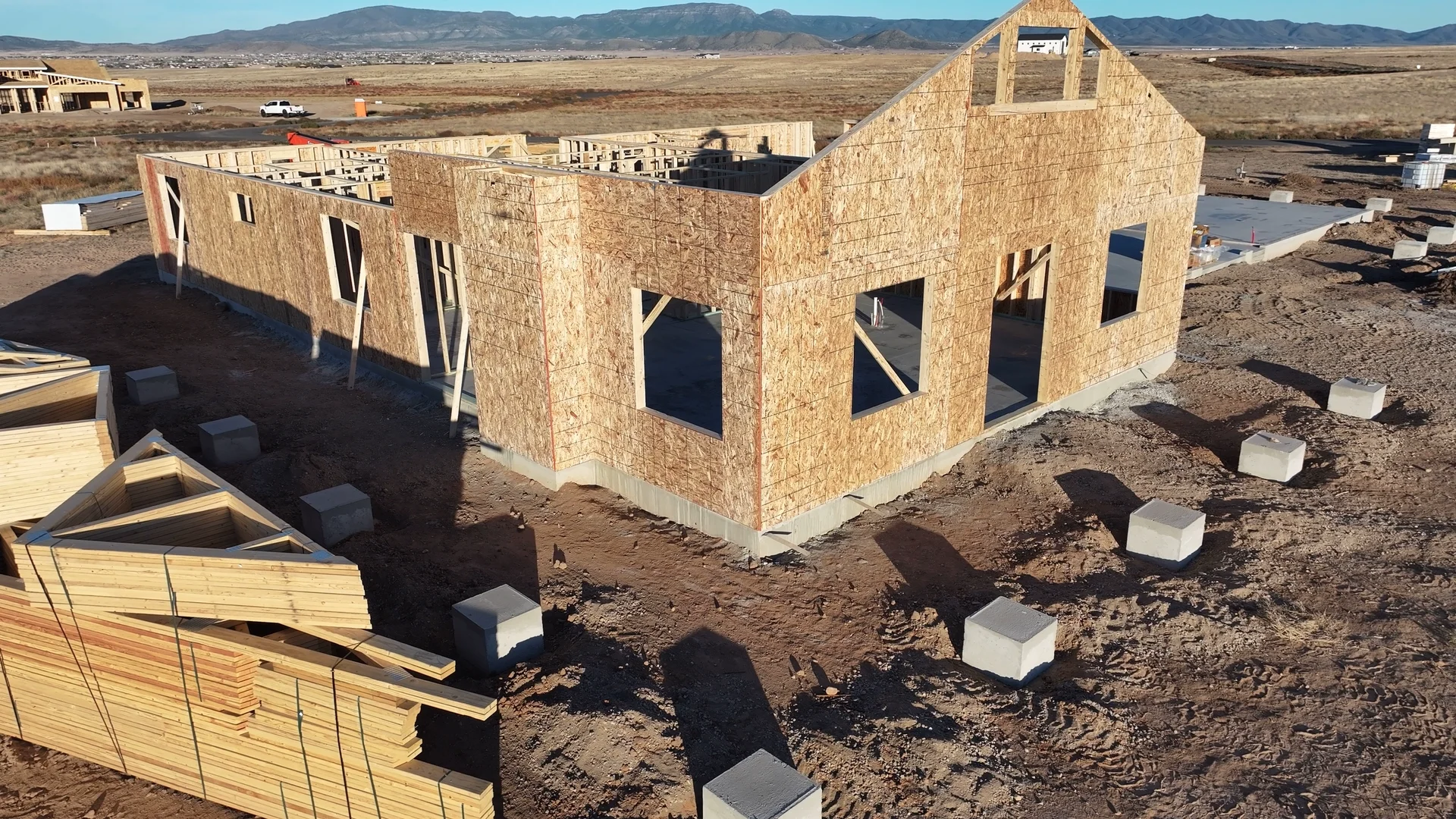
Housing is the foundation of our neighborhoods, our communities, and ultimately our country.
Without attainable housing, how do we expect the next generation to build the lives that sustain those communities?
That's why I believe solving the housing crisis is so important. And why I don't think we have the luxury of continuing to do things the way we've always done them.
Telling the industry it needs to hire another 750,000 workers isn't a solution. That talent isn't readily available, and we can't build a housing strategy around hoping it shows up.
I believe we already have the people, the technology, and the resources to make meaningful progress today.
"Telling the industry it needs to hire another 750,000 workers isn't a solution. That talent isn't readily available, and we can't build a housing strategy around hoping it shows up. I believe we already have the people, the technology, and the resources to make meaningful progress today."
What we're missing is the coordination, the collaboration, and the willingness to change how we work.
We don't need to reinvent the house. We need to fundamentally improve how we build it.
The jobsite is the biggest factory in construction, and it's time we started treating it that way.